Speed brakes for more safety in your outdoor parking lot

Speed limiters or speed humps help control the speed of vehicles to prevent accidents and damage to infrastructure. The right choice of speed limiters depends on several factors, such as traffic volume, type of vehicles and the desired degree of speed limitation.

Analysis

When choosing suitable speed inhibitors, it is important to analyze the specific needs of the outdoor parking lot. Some important considerations are:

  • Traffic intensity: Busy parking lots require more robust speed brakes that can withstand heavy loads.
  • Type of vehicles: For light passenger vehicles, standard speed humps are sufficient, while truck traffic requires wider and sturdier speed humps.
  • Maximum desired speed: Depending on the situation, speed bumps can limit speeds to 20 or 30 mph.
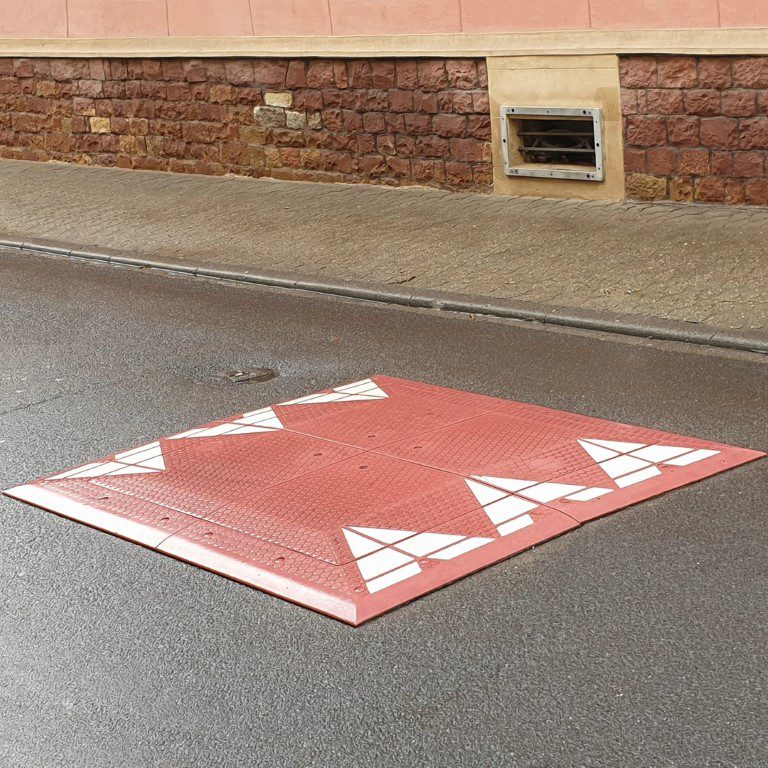
  • Location of speed bumps: They are strategically placed at entrances and exits, pedestrian crossings and curves.
  • Durability and weather resistance: Speed brakes must be resistant to abrasion, UV radiation and temperature fluctuations.

Different types of speed inhibitors

There are various types of speed inhibitors or speed humps or, each with their own characteristics and applications:

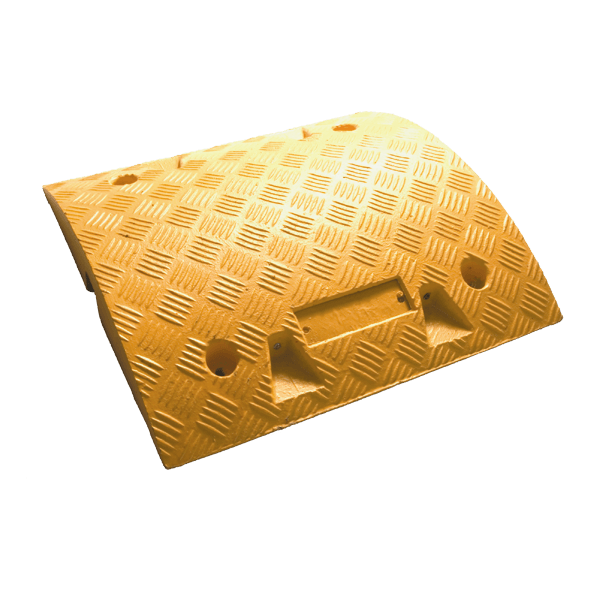
  • Speed humps: Low elevations on the road that force vehicles to reduce speed. The 50 mm speed inhibitor has a height of 50 mm, a depth of 425 mm and a width of 500 mm, weighing 7.8 kg. The end cap is 210 mm long and weighs 2.2 kg. The speed brakeman is equipped with white cat eyes, uses M10 bolts and is recommended for speeds up to 20 km/h.
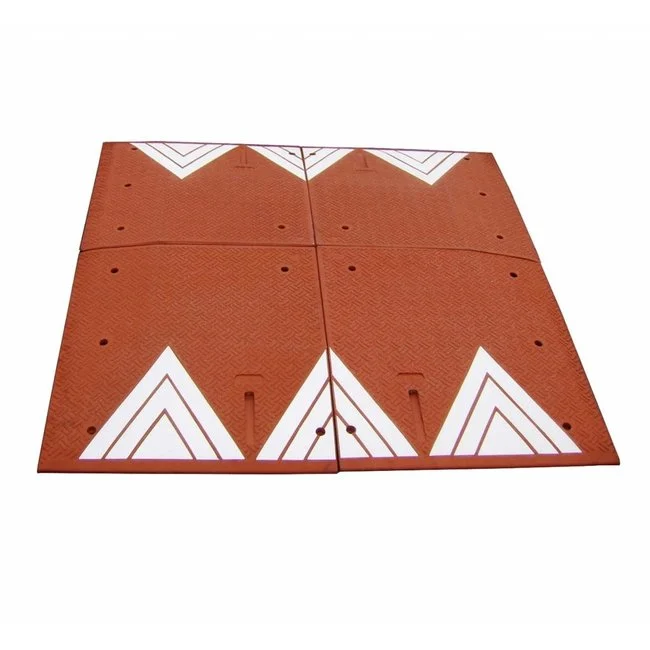
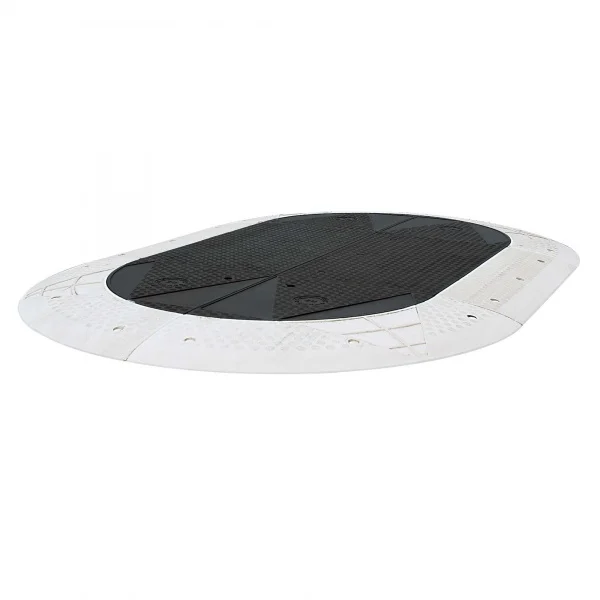
  • Speed plates: Wide elevations covering a larger area and suitable for pedestrian crossings.
  • Ribbed thresholds: Features ridges or studs to create additional vibration and reduce speed.
  • Flexible speed limiters: Made of rubber or plastic and suitable for temporary or adaptable traffic situations.
  • Concrete or metal thresholds: Very durable and suitable for heavy traffic, but less flexible in placement.

Contact our advisors for more information about our offerings. 

Expert application and maintenance

Proper installation and maintenance are essential to ensure the effectiveness and longevity of speed limiters. This includes:

  • Strategic placement: Limiters are installed at critical points to achieve maximum speed limitation without unnecessarily impeding traffic.
  • Expert installation: Fastening with bolts, glue or anchoring in the road surface, depending on the type of limiter and the surface.
  • Regular inspection: Check for wear and tear, loose fasteners and vehicle or weather damage.
  • Maintenance and repair: Timely replacement of worn or damaged limiters to maintain effectiveness.

With proper selection and professional installation of speed limiters, an outdoor parking lot can be designed safely and efficiently, with controlled and predictable traffic flow.


Learn more about Speed inhibitor