Protect infrastructure and machinery with indoor bollards
Bump posts as collision protection prevent damage to walls, columns and machinery by providing a physical barrier against collisions. Choosing the right type of bumping post depends on the specific needs and environment in which they are placed.
There are different types of stub posts with various uses and benefits:
Steel risers: Robust and suitable for heavy industry and parking garages.
Plastic bumper posts: Flexible and resilient, ideal for light to medium load environments.
Flexible bumper posts: Absorb impact and return to their original shape, reducing damage to vehicles and anchoring.
Built-in or movable bollards: Depending on the need for permanent or temporary protection.
The shape and size of impact bollards can vary. Some posts have a flexible design that bends slightly with impact, while others are stiffer and can absorb more force. The right type of bollard is chosen based on the specific requirements of the site and the expected impact forces.
Instead of protection, do you need beaconing and separation? Learn more about fence posts or folding beacon.
Expert installation and maintenance
Expert installation and regular maintenance extend the life of the bumper posts and ensure optimal protection. This includes:
Site preparation: Marking areas where protection is needed.
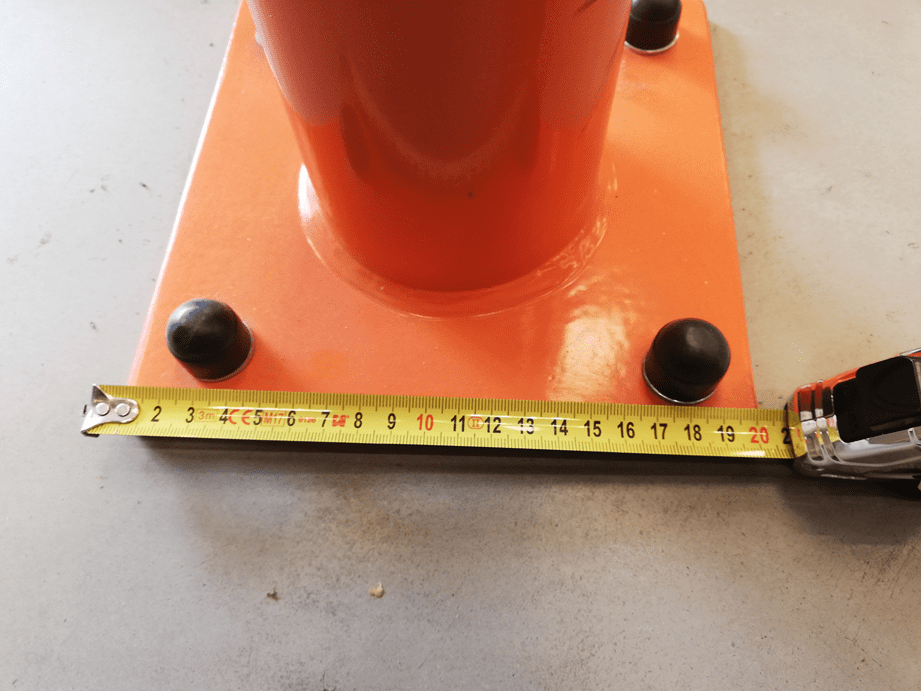
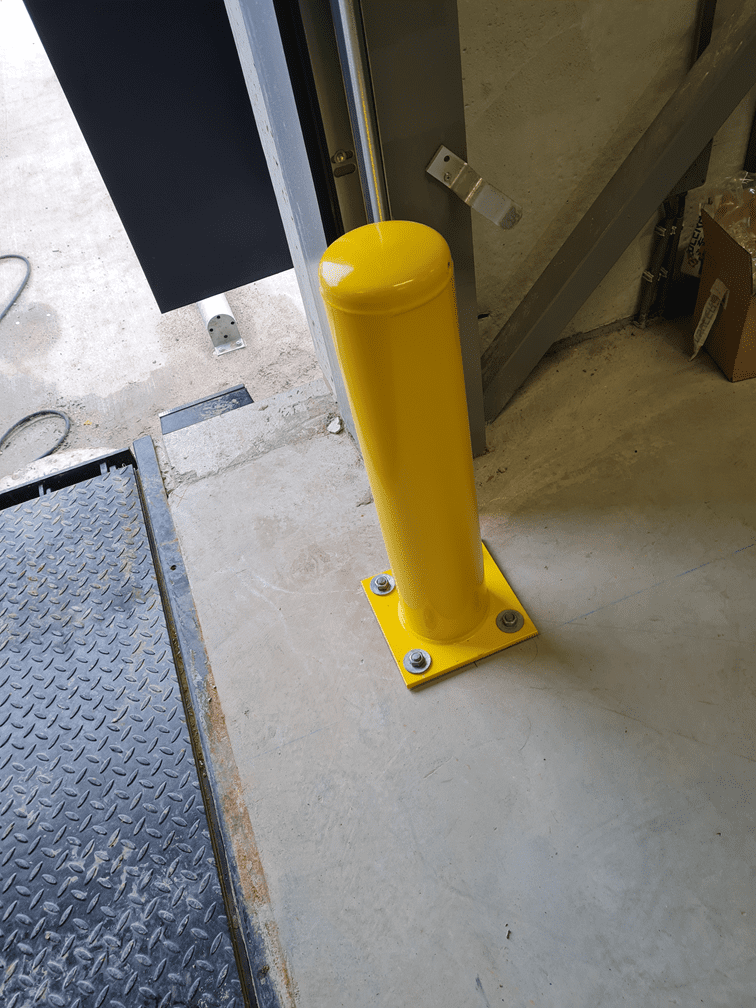
Professional installation: Fixation in concrete or use chemical anchors for maximum stability.
Regular inspection and maintenance: Check for wear and replace damaged poles.
Cleaning and visibility: Clean regularly and repaint or replace reflective markings if necessary.
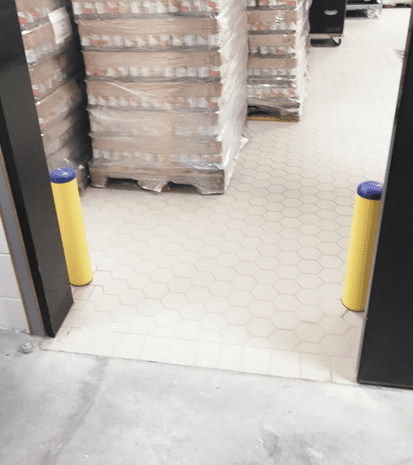
Bollards are placed in strategic locations, such as in parking garages, at building entrances, on sidewalks, at loading and unloading areas or where vehicles can enter.
Choosing the right bollards and having them expertly installed keeps infrastructure protected and minimizes damage to vehicles and buildings.